

Chronic digestive disorders disrupt everyday life profoundly. Millions of individuals in the United States struggle with persistent gastrointestinal inflammation. Patients frequently face debilitating diagnoses, including Crohn’s disease, Ulcerative Colitis, and refractory Inflammatory Bowel Disease (IBD). Unfortunately, conventional gastrointestinal medicine often relies heavily on pharmaceutical immunosuppression.
Doctors commonly prescribe systemic corticosteroids, biologic infusions, or daily immunomodulators. While these therapies suppress acute flare-ups, they rarely repair damaged intestinal lining. Furthermore, patients often build resistance to biologic drugs over time. Consequently, many patients face progressive tissue damage, strictures, or invasive bowel resection surgeries.
Fortunately, modern regenerative medicine offers an advanced biological alternative. Stem cell therapy for gastrointestinal disorders focuses on the root causes of mucosal breakdown. At Kyron Medical, under the specialized guidance of Dr. Carlos Rojas, we utilize high-potency umbilical cord Mesenchymal Stem Cells (UC-MSCs). Our targeted clinical protocols calm chronic mucosal inflammation, restore epithelial integrity, and help you regain healthy digestive wellness.
Digestive Health Cellular Protocol Overview
Understanding Chronic Gut Inflammation and Mucosal Breakdown
The human gastrointestinal tract contains the largest immune interface in the body. A single layer of specialized epithelial cells separates your bloodstream from trillions of luminal microbes. In healthy individuals, robust protein structures called tight junctions seal this vital barrier.
However, in chronic gastrointestinal conditions, this delicate system breaks down through three interconnected stages:
1. Persistent Immune System Hyperactivity
In inflammatory bowel disorders, mucosal T-lymphocytes react aggressively to normal intestinal flora. Consequently, hyperactive immune cells flood the digestive tract with destructive pro-inflammatory cytokines, including TNF-alpha, Interferon-gamma, and Interleukin-17 (IL-17). This persistent chemical assault creates deep ulcerations throughout the intestinal wall.
2. Loss of Epithelial Barrier Integrity (“Leaky Gut”)
As inflammatory cytokines destroy tight junctions, the intestinal lining becomes hyperpermeable. Bacterial toxins, undigested food proteins, and microbial lipopolysaccharides (LPS) leak directly into systemic circulation. As a result, patients experience chronic systemic inflammation, profound fatigue, and secondary autoimmune flare-ups.
3. Fibrotic Tissue Accumulation and Strictures
Recurring mucosal injury triggers uncontrolled fibroblast activation. Over time, healthy flexible tissue transforms into rigid scar tissue. These fibrotic strictures narrow the bowel lumen, causing severe abdominal pain, digestive obstructions, and nutrient malabsorption.
The 4 Pillars of the Kyron Digestive Protocol
Biomarker & Mucosal Review
Dr. Carlos Rojas analyzes endoscopic findings and inflammatory markers to assess mucosal damage severity.
Metabolic & Nutrient Pre-Conditioning
We administer targeted IV antioxidant infusions to optimize vascular health and calm acute inflammatory flare-ups.
Targeted Systemic Administration
Over 100 million active Day-Zero MSCs enter systemic circulation to promote widespread mucosal re-epithelialization.
Longitudinal Telehealth Care
Our medical team tracks your digestive comfort, stool frequency, and inflammatory labs across a full 12-month window.
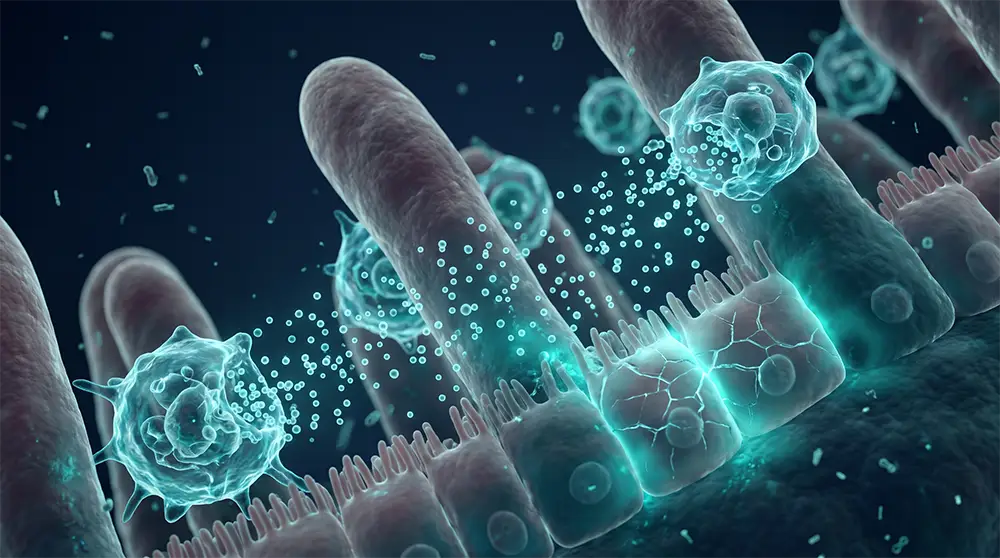
How Umbilical Cord MSCs Restore Digestive Tissue Homeostasis
Mesenchymal stem cells sourced from human umbilical cord Wharton’s Jelly possess unique anti-inflammatory and regenerative properties. Because these Day-Zero cells have never encountered environmental stressors, they exhibit exceptional therapeutic vigor.
When administered via controlled intravenous infusion, UC-MSCs home directly toward inflammatory vascular signals in the digestive tract. Once in place, they deploy three primary therapeutic mechanisms:
1. Robust Mucosal Immunomodulation
Umbilical cord MSCs do not paralyze your natural immune defenses. Instead, they reprogram unbalanced immune responses. Specifically, MSCs suppress destructive Th1 and Th17 cell proliferation while expanding beneficial regulatory T-cells (Tregs). Consequently, this rebalancing stops the immune attack against mucosal tissue, allowing acute ulcerations to close.
2. Epithelial Regeneration and Tight Junction Repair
Mesenchymal stem cells act as biological signaling centers. They continuously secrete powerful paracrine factors, including Epidermal Growth Factor (EGF), Hepatocyte Growth Factor (HGF), and Keratinocyte Growth Factor (KGF). These regenerative signals instruct resident intestinal stem cells to regenerate healthy epithelial villi and restore protective tight junction architecture.
3. Inhibition of Intestinal Fibrosis
Chronic bowel inflammation often culminates in irreversible tissue scarring. UC-MSCs release Matrix Metalloproteinases (MMPs) and anti-fibrotic cytokines, including Interleukin-10 (IL-10). These biological agents actively degrade excessive collagen deposits, preserving natural intestinal elasticity and preventing stricture progression.
Mucosal Barrier Defense
MSCs promote epithelial cell turnover and repair tight junctions, halting systemic endotoxin leakage into the bloodstream.
Immune Modulation
Targeted cellular factors suppress hyperactive Th17 cells, calming localized inflammatory cascades in intestinal tissues.
Anti-Fibrotic Action
Enzymatic secretomes prevent excess collagen deposition, preserving natural intestinal flexibility and avoiding strictures.
Cell Dosage and Potency: Why Umbilical Cord MSCs Exceed Older Alternatives
Successfully calming extensive gut inflammation requires substantial cellular potency. In traditional autologous procedures, physicians harvest cells from the patient’s own bone marrow or adipose fat. However, extracting cells from a patient suffering from chronic gastrointestinal illness yields compromised results.
Patients with severe digestive disorders often suffer from chronic systemic inflammation and nutritional deficits. Consequently, their native stem cells exhibit cellular fatigue, diminished proliferation rates, and shortened telomeres. In contrast, Kyron Medical utilizes expanded Day-Zero umbilical cord MSCs.
| Clinical Parameter | Autologous Bone Marrow / Adipose | Kyron Expanded Umbilical Cord MSCs |
| Harvest Procedure | Painful hip drilling or mini-liposuction | Zero extraction trauma (Laboratory prepared) |
| Cellular Biological Age | Matches patient’s age and disease fatigue | Day Zero (Maximum biological vigor) |
| Average Cell Yield | 2 to 5 Million uncultured cells | 100 to 200+ Million verified active cells |
| Mucosal Homing Power | Reduced chemokine receptor expression | Highly active CXCR4 homing receptors |
| Immunological Privilege | Matches host tissue | Lacks mature HLA-DR; zero risk of rejection |
| Paracrine Signaling Output | Low cytokine and growth factor production | Robust, sustained release of anti-inflammatory factors |
Because Wharton’s Jelly stem cells lack mature HLA-DR surface markers, your immune system accepts them without adverse reactions. This immunological privilege allows our clinical team to deliver high concentrations of vital cells safely, maximizing tissue repair across the entire digestive tract.
Systemic Immune Re-Education
High doses of expanded Day-Zero MSCs regulate overactive circulating T-lymphocytes, downregulating systemic inflammatory markers.
Localized Mucosal Homing
Active cellular homing receptors direct regenerative secretomes toward ulcerated bowel regions, promoting rapid epithelial re-surfacing.
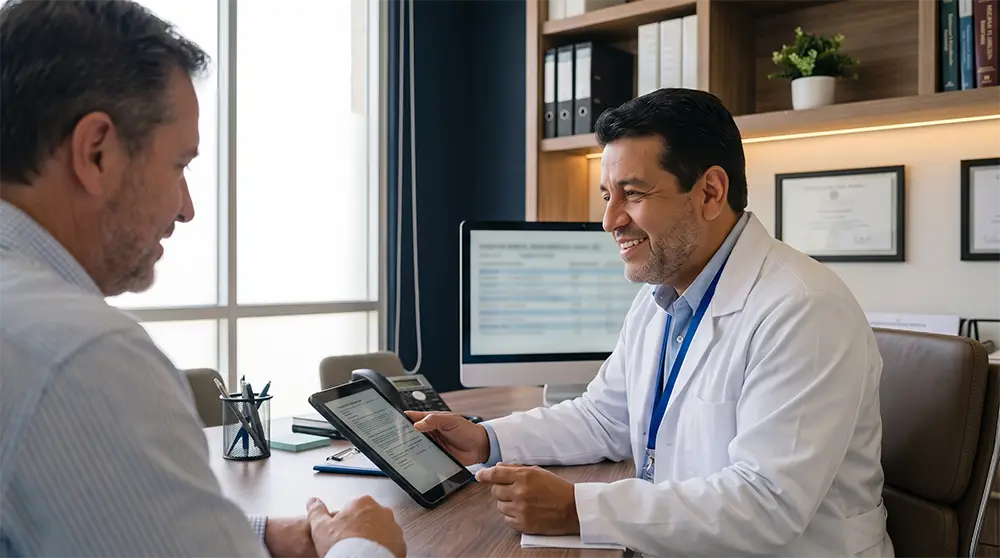
The Kyron Medical Patient Experience: Restoring Digestive Freedom
Treating complex gastrointestinal conditions requires personalized medical attention, diagnostic precision, and complete clinical comfort. Under the medical direction of Dr. Carlos Rojas, Kyron Medical delivers a comprehensive international patient protocol tailored specifically for visiting patients.
First, our clinical board conducts an exhaustive pre-arrival review of your colonoscopy reports, pathology biopsies, and blood inflammatory panels. Dr. Rojas leads a comprehensive telehealth consultation to confirm your candidacy. Second, upon your arrival in Cali, Colombia, our private bilingual concierge manages all executive transportation to your luxury partner hotel and clinical appointments.
During your treatment week, you receive continuous medical supervision. We administer high-potency systemic intravenous MSC infusions in a comfortable private executive suite. In addition, we incorporate specialized supportive therapies to maximize cellular engraftment and mucosal healing. Finally, our medical team conducts structured virtual follow-ups at 30 days, 90 days, 6 months, and 12 months, coordinating directly with your gastroenterologist at home.
Restore Your Gut Health with Cellular Medicine
Submit your gastroenterology history and medical records for a comprehensive evaluation by Dr. Carlos Rojas. Discover how advanced cellular protocols can support your digestive recovery.
Schedule Your Digestive ConsultationFrequently Asked Questions
Clear medical answers regarding stem cell therapy for gastrointestinal disorders and patient travel.
How does stem cell therapy address Crohn's disease and Ulcerative Colitis?
Mesenchymal stem cells (MSCs) modulate hyperactive mucosal immune responses. Furthermore, they secrete epithelial growth factors that encourage rapid re-epithelialization of ulcerated intestinal tissue, reducing recurring flare-ups and abdominal pain.
Can stem cell therapy help if I stopped responding to biologics?
Yes. Biologics block single inflammatory cytokines, often leading to drug resistance. In contrast, stem cells deploy comprehensive immunomodulatory mechanisms, influencing multiple biological pathways simultaneously to restore tissue homeostasis.
How are stem cells administered for gastrointestinal conditions?
Our clinical team administers stem cells via high-potency systemic intravenous (IV) infusion. The procedure is non-invasive and painless, allowing cells to circulate systemically and home toward inflamed mucosal blood vessels.
Is the treatment safe for patients with severe gut inflammation?
Yes. Wharton’s Jelly-derived MSCs are immunoprivileged. They lack mature HLA-DR surface markers, meaning your body will not recognize them as foreign. Consequently, patients face zero risk of cellular rejection.
How many stem cells do patients typically receive?
Depending on your inflammatory markers and medical history, Dr. Carlos Rojas prescribes verified therapeutic doses ranging from 100 million to over 200 million active MSCs.
How long do patients need to stay in Colombia?
Our comprehensive international gastrointestinal protocol requires 3 to 5 business days in Cali, Colombia. This window accommodates baseline bloodwork, clinical preparation, cellular infusions, and restful recovery.
When can I expect improvements in digestive symptoms?
Many patients report reduced abdominal cramping and improved stool consistency within 4 to 8 weeks. Furthermore, progressive mucosal healing and reduction in systemic fatigue typically develop across 3 to 6 months.
Can I continue taking my current gastrointestinal medications?
Yes. Do not discontinue your prescribed GI medications without direct supervision from your gastroenterologist. Dr. Carlos Rojas reviews your medication regimen during your initial consultation to ensure complete clinical safety.
What support does Kyron Medical offer international visitors?
We provide a complete VIP concierge package, including private executive airport transfers, luxury partner hotel coordination, and dedicated English-speaking patient coordinators throughout your stay.
How does Dr. Carlos Rojas monitor long-term digestive outcomes?
Our clinical team conducts structured telehealth consultations at 30, 90, 180, and 365 days post-treatment. We monitor your digestive milestones, evaluate follow-up lab panels, and coordinate with your physician at home.